Moving from Lavender Hill to Queenstown Road removals advice
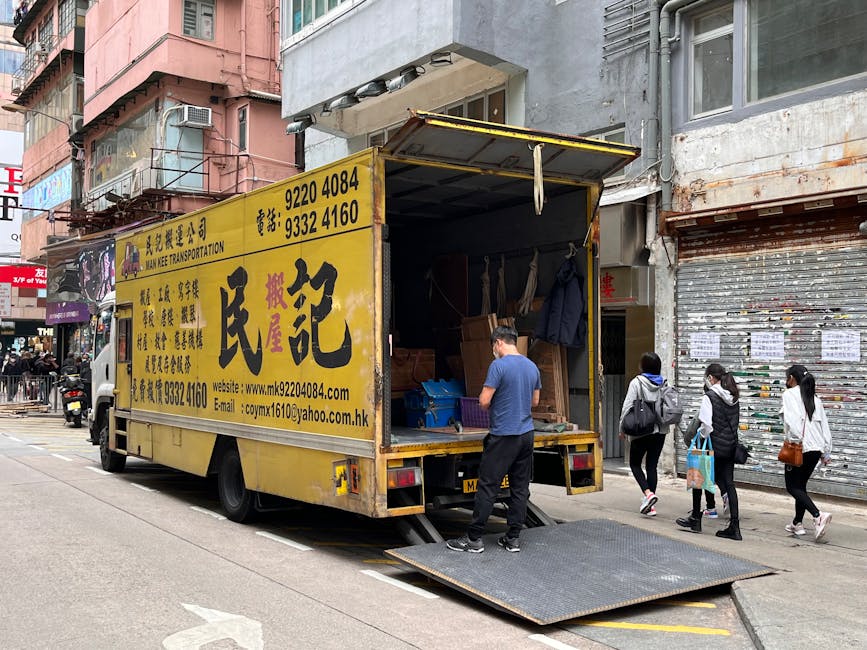
If you are planning a move from Lavender Hill to Queenstown Road, the distance may look short on a map, but the details can still make the day feel surprisingly busy. Narrow streets, parking pressure, lift access, fragile items, and timing all matter. That is why good Moving from Lavender Hill to Queenstown Road removals advice is less about box-counting and more about choosing the right plan for the buildings, the route, and your actual workload. A smooth Battersea move usually comes down to a few simple things done well, and done early.
In this guide, you will find practical advice on planning, packing, access, vehicle choice, what to expect on the day, and how to avoid the little problems that turn a short move into a long afternoon. Let's face it, the move itself is only part of it; the real challenge is making sure the day does not get hijacked by avoidable stress.
- Why this move needs specific advice
- How the removals process usually works
- Key benefits and practical advantages
- Who this is for and when it makes sense
- Step-by-step guidance
- Expert tips for better results
- Common mistakes to avoid
- Tools, resources and recommendations
- Law, compliance, standards, or best practice
- Options and comparison table
- Case study or real-world example
- Practical checklist
- Conclusion
- Frequently asked questions
Why Moving from Lavender Hill to Queenstown Road removals advice Matters
On paper, this is a local move. In practice, even a nearby relocation can be shaped by building access, loading space, and the route you choose. Lavender Hill and Queenstown Road sit within a busy part of south west London, where traffic can feel stop-start and a small delay at the wrong moment can ripple through the whole day. If your van cannot park close enough, or your sofa will not fit through a communal entrance on the first attempt, the move gets harder very quickly.
Good removals advice matters because it helps you match the service to the actual move. A one-bed flat, a family home, a student move, and a small office relocation all need different levels of support. You do not want to pay for more than you need, but you also do not want to book too little and end up doing three awkward trips in the rain. Been there, and nobody enjoys it.
For many people, the smartest starting point is deciding whether you need a full home moves service, a lighter-touch man and van option, or something more tailored like flat removals. The best choice is the one that fits your property, access, furniture, and timing rather than just the postcode.
How Moving from Lavender Hill to Queenstown Road removals advice Works
The process is simpler when you break it into stages. First comes the survey or quote stage, where you explain what needs moving, what floor you are on, whether there is a lift, and how far the parking is from the front door. That detail sounds tedious, but it is what helps a removals team estimate labour, van size, and the likely time needed.
Next comes packing and preparation. If you are using packing and boxes, label everything clearly and keep essential items separate. If you need help with the heavier work, packing and unpacking services can save a lot of time on either end of the move. Truth be told, the first and last hour of a move are often where most stress lives.
On moving day, the team will usually load larger furniture first, protect delicate items, and use trolleys, blankets, and straps where needed. If access is tight, they may split the load into stages. For very small moves or single-room relocations, a removal van or a man with van setup can be more efficient than a larger vehicle. For bigger loads, a moving truck may be more suitable.
If there is a gap between leaving Lavender Hill and getting into Queenstown Road, secure storage can be a useful buffer. That is especially helpful if completion times are uncertain or the new place is not quite ready. It happens more often than people expect.
Key Benefits and Practical Advantages
A well-planned local move should feel controlled, not chaotic. The benefits are not just about saving effort; they also help protect your belongings and your schedule.
- Less disruption: A short route can be completed efficiently when access is planned properly.
- Better cost control: The right service avoids unnecessary vehicle size or extra labour.
- Reduced damage risk: Proper handling, wrapping, and loading methods protect furniture and boxes.
- Less physical strain: Heavy lifting on stairs or in tight hallways is where injuries and knocks often happen.
- More predictable timing: Good planning helps you coordinate keys, parking, and arrival windows.
There is also a confidence benefit, which sounds soft until you are standing in a half-empty flat at 4:30 p.m. with a kettle still unplugged. A move that feels organised gives you headspace to handle the real-world stuff: meter readings, key handover, children, pets, and the inevitable missing charger.
If your move involves furniture that needs careful handling, specialist furniture removals support can make a noticeable difference. And if old items are not worth taking with you, furniture pick up can help clear space before the move rather than after it. Small change, big relief.
Who This Is For and When It Makes Sense
This advice is useful for anyone moving between these two nearby Battersea roads, but it is especially relevant if your move includes one or more of the following:
- a flat with stairs or no lift
- large furniture such as wardrobes, beds, sofas, or dining tables
- a move that must be completed in a narrow time window
- parking that is likely to be awkward at one or both addresses
- shared entrances, controlled access, or busy communal hallways
- a student or short-term rental move
- a work-from-home setup with fragile equipment
For students and renters, a smaller service often makes sense, especially if you only have bags, boxes, and a few pieces of furniture. A dedicated student removals option can be a neat fit. For household moves with lots of bulky pieces, a fuller house removals service is usually easier to manage. And if your move is business-related, you may want to look at commercial moves or office removals instead.
When in doubt, do not guess. A quick, honest inventory is better than overpromising and hoping for the best. Hope is not a moving plan.
Step-by-Step Guidance
- Walk through both properties first. Check stairs, lifts, door widths, hallways, and any awkward corners. A sofa that fits in the lounge might still hate the staircase.
- Make a room-by-room inventory. Note the big items, fragile items, and anything unusually heavy. This helps with a more accurate quote and better vehicle choice.
- Decide what stays, what goes, and what needs storage. This is the moment to be ruthless. If you have not used it in ages, ask whether it deserves a place in the new home.
- Book the right level of help. A small move may only need a man with a van or man with van service, while larger or more complex moves may need a full team.
- Pack by priority. Put essentials, documents, chargers, medication, and a kettle box somewhere easy to reach. That kettle box is borderline sacred.
- Reserve parking and clear access. Make sure the loading point is realistic and that neighbours or building managers know what is happening if needed.
- Protect the fragile stuff. Wrap mirrors, lamps, glass, and electronics properly. For especially delicate or valuable items, ask about extra protection.
- Confirm timings the day before. Check arrival time, access notes, and any completion-related flexibility.
- Do a final sweep before departure. Look inside cupboards, behind doors, under beds, and in the freezer. You would be amazed how often something important is left behind.
- Unpack in the right order. Start with beds, kitchen basics, and work essentials so the first night feels manageable rather than half-chaotic.
If the move feels like it may run long, or if you have a gap between properties, you can also discuss same day removals or temporary storage where appropriate. Not every move needs these, but they are useful tools when timings get messy.
Expert Tips for Better Results
Here are the small things that genuinely improve a local move. They are not flashy, but they work.
- Label boxes by room and priority. Write both the destination room and whether it is "open first" or "can wait."
- Keep a moving day bag. Wallet, keys, snacks, chargers, tape, paperwork, and basic toiletries all in one place.
- Photograph tricky furniture. If something needs partial dismantling, photos can help during reassembly.
- Measure awkward items. It takes two minutes and can save a very awkward moment at the front door.
- Separate valuables. Passports, jewellery, and irreplaceable documents should travel with you if possible.
- Use a modest overestimate on time. Little delays are normal. A corridor blocked by a neighbour's delivery van can change the mood of the whole morning.
One thing people underestimate is the emotional side of moving. Lavender Hill to Queenstown Road may not be a long distance, but you are still changing routines, walking routes, takeaway habits, the lot. A good removals day is about making that shift feel calm rather than abrupt.
If you are moving a piano, for example, do not treat it like a bulky chair. Use specialist piano removals support. Pianos are heavy, delicate, and oddly awkward in ways that only reveal themselves when they are halfway through a doorway. Fun times, obviously not.
Common Mistakes to Avoid
Most moving problems are not dramatic. They are just accumulations of small, avoidable decisions.
- Underestimating access issues. A short road move can still need more labour if access is poor.
- Packing too late. Last-minute packing usually leads to broken items and lost essentials.
- Booking the wrong vehicle size. Too small means extra trips; too large may be unnecessary cost.
- Forgetting building rules. Some flats have loading restrictions, lift bookings, or quiet-hour expectations.
- Not asking about insurance. It is sensible to understand what is covered and what the moving company expects from you.
- Leaving disposal decisions until moving day. Old furniture and unwanted items are easier to handle before the main move.
Another classic mistake is focusing only on the price and not on the service type. For instance, a low-cost van option may be perfectly fine for a few boxes and a bed frame, but less suitable if you have a larger household and several fragile items. Matching the service to the move is where the real value sits.
Tools, Resources and Recommendations
You do not need fancy equipment to move well, but a few basic tools make life easier. A decent stack of boxes, tape, markers, furniture blankets, bubble wrap, and a dolly or trolley can save a lot of time. If the removals team is handling the main transport, your job is mainly to keep packing organised and clearly labelled.
For people who want a fuller service, it can help to compare the sort of support you need before booking. Some moves work best as simple transport jobs, while others benefit from broader removal services. If you want a more complete end-to-end move, look at the broader removals category rather than trying to piece everything together on your own.
A few sensible recommendations:
- use strong boxes of similar sizes where possible
- wrap plates vertically rather than stacking them flat
- keep screws and fittings taped to the item they belong to
- mark fragile boxes on more than one side
- leave a clear path from each room to the front door
If you are moving office equipment or company stock, a dedicated office relocation services approach may be more appropriate than a residential move. The logic is the same, though: reduce handling, keep the route clear, and do not leave the critical kit buried under ten random boxes of cables.
Law, Compliance, Standards, or Best Practice
For a local move, compliance usually means basic but important best practice rather than anything complicated. You should know who is handling your items, what their responsibilities are, and how access and safety will be managed on the day. If you are using a professional removals company, it is sensible to ask about their insurance arrangements and safety procedures. A reputable firm should be able to explain these in plain English.
Health and safety matters when lifting, carrying, loading, and working in shared spaces. That includes using sensible manual handling techniques, avoiding blocked exits, and being careful in communal hallways where other residents may also be coming and going. If you want to understand how a company approaches this, look for details in its health and safety policy and insurance and safety information.
There are also basic consumer expectations around quotes, payment, and terms. It is fair to check what is included, whether there are likely extra charges for difficult access, and when payment is expected. Clear pricing and quotes information helps avoid misunderstandings later. Likewise, a readable terms and conditions page should explain what happens if timings change or access turns out to be different from what was described.
If you are arranging a move as part of a business transfer, choosing a provider with experience in commercial moves can help, because business relocations often involve tighter deadlines and more equipment handling. For home customers, a trusted house removalists team may be the more suitable route. Different jobs, different pressures.
Options, Methods, or Comparison Table
Choosing the right moving method is often the biggest practical decision. Here is a simple comparison to help you think it through.
| Option | Best for | Strengths | Watch outs |
|---|---|---|---|
| Man and van | Small to medium moves, a few rooms, single flats | Flexible, efficient, usually cost-conscious | May not suit very large loads or very complex access |
| Full removals service | Whole-house moves, bulky furniture, busy schedules | More support, easier coordination, better for mixed loads | Can be more than you need for a tiny move |
| Removal van only | Light loads and short local transport jobs | Simple and practical for smaller jobs | Less suitable if loading takes time or items are awkward |
| Storage plus move | Delayed completion, temporary housing, staged moves | Useful buffer, reduces pressure on the day | Needs extra planning and coordination |
For many Lavender Hill to Queenstown Road moves, the sweet spot is either a small removals team or a man-and-van setup. That said, the best option is the one that fits your furniture, floor level, and timing. Pretty simple, really, though not always easy to judge from inside the flat.
Case Study or Real-World Example
Imagine a couple moving from a two-bedroom flat near Lavender Hill to a Queenstown Road apartment a short distance away. They have a bed, sofa, dining table, several boxed kitchen items, a TV, plants, and a mountain of awkward little stuff that somehow multiplies the moment moving day gets closer.
They first check access at both ends. Lavender Hill has parking pressure and a narrow entrance. Queenstown Road offers easier unloading but a shared hallway, so they need to keep the route tidy. They decide against overloading the day with DIY trips and choose a proper removals service with help for dismantling and transport.
They also split their packing into three groups: essentials for the first night, fragile items, and everything else. The essentials box contains the kettle, mugs, phone chargers, toiletries, a change of clothes, and the children's bedtime bits. That one box saves the evening. Honestly, it often does.
On the day, the team loads the heavy furniture first, wraps the TV carefully, and uses a sensible order so the Queenstown Road flat can be set up quickly. By late afternoon, the beds are in, the kitchen basics are unpacked, and the couple can breathe again. Not perfect, because moves never are, but calm enough. And calm is a win.
Practical Checklist
Use this checklist in the days before you move. It is deliberately practical rather than fancy.
- Confirm moving date, access times, and key collection details
- Measure large furniture and awkward doorways
- Choose the right moving option for your load size
- Book parking or confirm loading arrangements where needed
- Pack and label boxes by room
- Set aside essentials for the first 24 hours
- Separate valuables and important documents
- Dismantle furniture that needs to come apart
- Use proper wrapping for glass, mirrors, and electronics
- Arrange storage if there is a gap between properties
- Check insurance and safety information before booking
- Clean, photograph, and do a final sweep of both properties
Quick expert summary: if you plan access, choose the right vehicle, and pack with a first-night box, your Lavender Hill to Queenstown Road move becomes much easier. The details are small. The difference is not.
Get a free quote today and see how much you can save.
Conclusion
Moving from Lavender Hill to Queenstown Road should be a straightforward local relocation, but only if you treat it like a real moving project rather than a short hop that will sort itself out. Good planning, the right level of help, and honest access checks make all the difference. The roads are close, yes, but the day still deserves proper preparation.
If you keep the move simple, label clearly, and choose a removals service that fits the job rather than the guess, you will save time, reduce stress, and avoid those annoying last-minute scrambles. And really, that is what most people want: not a perfect move, just one that feels under control from start to finish.
Take it step by step, keep the essentials close, and give yourself a bit of breathing space. You'll be glad you did.
Frequently Asked Questions
How far is Lavender Hill from Queenstown Road for removals?
It is a short local move, but the practical distance depends on the exact addresses, access points, and traffic at the time. Even a short journey can take longer if parking or loading is awkward.
Do I need a full removals team or just a man and van?
That depends on the size of your move. A smaller flat move or student move may suit a man and van setup, while a fuller household relocation often works better with a complete removals service.
What should I pack first?
Pack non-essential items first, then work toward the things you use every day. Keep a separate essentials box with chargers, medication, toiletries, basic kitchen items, and a change of clothes.
How can I avoid damage during the move?
Use strong boxes, wrap fragile items carefully, and make sure heavier furniture is handled by people with the right equipment. Clear access and sensible loading order help a lot too.
Is storage useful for this kind of move?
Yes, especially if your moving dates do not line up neatly or you need to empty one property before the next is fully ready. Temporary storage can remove a surprising amount of pressure.
What if my building has stairs and no lift?
Tell the removals company in advance. Stairs affect labour, timing, and sometimes the vehicle choice. It is much better to explain this early than to mention it when the van has already arrived.
Can I move on the same day if plans change?
Sometimes, but only if availability and access line up. Same-day moves can be helpful in a pinch, though they work best when the load is straightforward and the timing is realistic.
Are packing services worth it?
If you are short on time, have fragile belongings, or simply do not want to spend several evenings surrounded by tape and cardboard, packing help can be well worth considering. It depends on your budget and your patience, to be fair.
How do I know if I need specialist furniture handling?
If you have large wardrobes, pianos, antique pieces, or awkward items that need dismantling, specialist handling is a sensible choice. Anything unusually heavy or valuable deserves a bit more care.
What should I ask for in a quote?
Ask what is included, whether access issues may affect the price, what vehicle is planned, and how payment works. Clear pricing is easier to trust than vague estimates.
What is the best way to prepare for moving day?
Finish packing early, label clearly, reserve access where possible, and keep essentials separate. The goal is to reduce decisions on the day, because moving day already has enough opinions of its own.
Is this a good move for students or renters?
Yes. Short local moves are often ideal for students and renters, especially when belongings are limited and timing is tight. A smaller, efficient service can be a very sensible fit.
Where can I learn more about the company behind these services?
You can review the company's about us page, and if you want to understand how enquiries, service details, or bookings work, the best next step is to explore the site pages that match your move type and requirements.