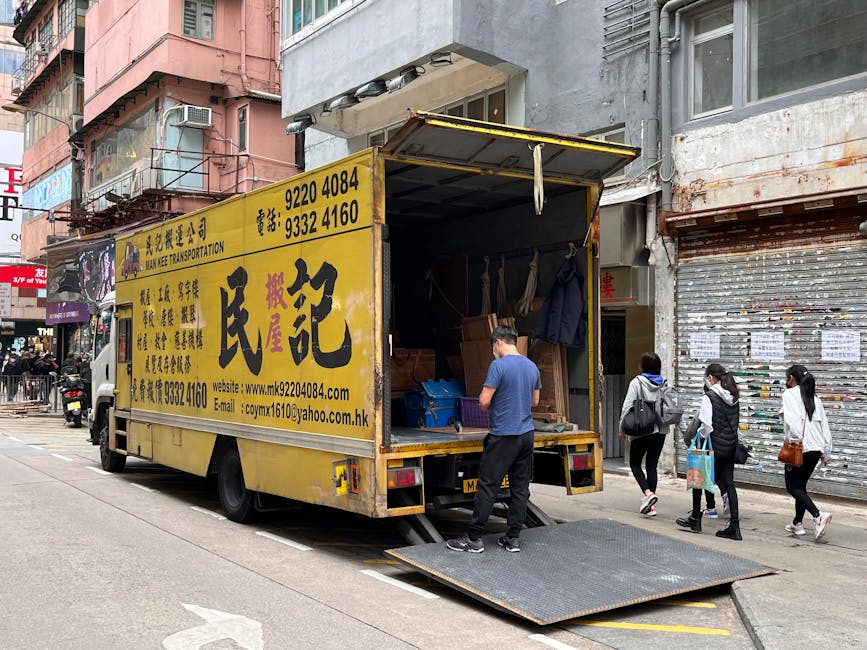
Removal Company in Battersea

If you need a removal company in Battersea, our service is built around practical household and business moves that are planned clearly and carried out with care. We handle everyday removals, furniture transport, flat moves and longer-distance relocation work, with options that can be matched to the amount of packing, carrying and loading your move needs. The aim is straightforward: keep the process organised, protect belongings properly and help the day run in a calm, workable way.
We provide removals support for customers who want one team to manage the main moving work from start to finish. That can include careful lifting, vehicle loading, transport and unloading, alongside sensible planning around access, stairways and item size. For smaller moves or mixed loads, a flexible van-based approach may be suitable, while larger homes or more complex jobs often benefit from a fuller removals service with a clearer schedule and more structured handling.
Need a quotation? Use the service pages below to see the available options, then get in touch with the details of your move. If you are comparing choices, it can help to think first about what needs moving, how many rooms are involved and whether any items need special handling. A well-prepared quote request usually makes it easier to agree the right level of service.
House and flat removals for local moves
House and flat removals need a service that suits the property as much as the load itself. A ground-floor property, a maisonette with stairs or a larger family house may all need different handling on moving day. We can support domestic moves that involve furniture, boxes, white goods and mixed household items, with attention paid to access routes, parking considerations and the order in which items are taken out. When a move is well sequenced, it is usually easier to reduce delays and avoid unnecessary lifting back and forth.
For customers comparing domestic options, our house removals service is a sensible starting point where the move involves a full home rather than a few bulky items. If the property is smaller, or if the load is mainly for a studio, one-bedroom flat or apartment, the flat removals page may be the better fit. Both types of move benefit from clear labelling, practical packing and a realistic view of what needs dismantling before loading begins.
Useful preparation is not complicated, but it does matter. Before the move, it helps to group items by room, separate anything fragile and make sure access points are clear. If there are lifts, tight stairwells or awkward entrances, mention them early so the right plan can be made. For customers who want additional help with cardboard, wrapping materials and box planning, our packing and boxes service can support the move without turning the process into guesswork.
Business removals and office relocation support

Commercial removals are often about keeping disruption manageable while moving furniture, files, IT equipment and office contents in a controlled sequence. The work may involve desks, chairs, cabinets, monitors and boxed contents, all of which need sensible packing and enough care during loading and unloading. A commercial move also benefits from timing that suits the building and the business, especially where shared access, reception areas or managed premises are involved.
Our office removals service is designed for workplaces that need a tidy, practical transfer to new premises. Where the move is larger or more structured, office relocation services can provide a broader approach to planning, packing and moving operational items in stages. That kind of service is useful when the move includes a mix of furniture, working equipment and storage from more than one room or department, and when the sequence of movement matters as much as the transport itself.
For a better quotation, it helps to set out the items that must move, any fragile equipment and the access arrangements at both addresses. Commercial jobs can also benefit from one nominated contact who can confirm timings, building rules and which items need priority handling. If your workplace also needs materials for packing, the packing and unpacking services page explains how that support can fit around a move without overcomplicating the day.
Transport options for furniture and smaller loads
Not every move calls for a full house-removal package. Sometimes the task is a single item, a few pieces of furniture or a modest load that still needs proper lifting and secure transport. In those cases, a lighter service can be the most efficient choice, especially when the items are bulky but the overall volume is limited. Careful handling still matters, particularly for wardrobes, sofas, dining tables and other items that are awkward to move without planning.
Our furniture removals service is suitable for larger household pieces that need safe collection and delivery. If the requirement is even narrower, the furniture pick-up option may be more appropriate for one-off collection jobs, deliveries or item transfers between addresses. For customers who prefer a van-based approach with hands-on help, the man and van service offers a practical route for moving selected items without booking a bigger operation than the load requires.
The right transport choice usually depends on volume, weight and access. A single heavy item may need more care than a van full of lighter boxes, especially if there are stairs or awkward turns on the route. When you ask for a quotation, it is useful to explain whether items need dismantling, wrapping or two-person lifting. That allows the service level to match the job rather than forcing the job to fit a generic package.
Packing, protection and preparation
Good packing can make a move much easier to manage. It helps protect fragile belongings, keeps rooms organised and reduces the time spent sorting loose items on the day. Some customers only need extra boxes and wrapping materials, while others want a full packing service because the move involves glassware, kitchen contents, books, ornaments or mixed family belongings. The right choice depends on how much time is available and how much help is needed before the vehicle arrives.
For customers who want support with this stage, the packing and boxes page gives a clear route to the materials and preparation side of the move. Where packing is part of a broader service, packing and unpacking services can help with getting belongings ready before transport and settling them afterwards. That can be especially useful where the move involves many small items that are easy to misplace if the process is rushed.
Two simple preparations usually make the biggest difference: keep essential items separate, and make sure anything delicate is clearly identified. It is also sensible to leave enough time for labelling, sealing boxes properly and setting aside items that should not be packed at the last minute. If you are comparing services, ask which parts of the preparation are included and which tasks remain with you, so the quotation reflects the real amount of work involved.
Moving homes of different sizes

Domestic moves vary widely, and a service needs to be flexible enough to reflect that. A small move may only involve furniture, clothes and boxes from a single room, while a larger one can include several bedrooms, appliances, garden items and stored belongings from elsewhere in the property. In both cases, the main consideration is how to move everything in a sequence that is orderly, safe and realistic for the building layout and the item list.
Our home moves service covers general domestic relocation, while house removalists can be a useful page to review if you want a move handled by a team rather than a simple transport arrangement. If a move needs to be completed quickly because of timing at the old or new address, same-day removals may be relevant, provided the scope of the job and the schedule are suitable for that type of service. Each option should be chosen for the move, not the other way round.
When comparing home removal services, it is useful to think about access, the number of floors involved and whether anything large needs to be removed from rooms before the rest of the load can be carried. For larger homes, the shape of the move matters just as much as the amount of furniture. A quotation request that explains those practical details usually gives a more accurate picture than a brief message that only mentions the postcodes.
About Battersea
Battersea is a district in south-west London on the south bank of the Thames, opposite Chelsea, and it forms part of the wider London Borough of Wandsworth. Its riverside edge has long been associated with industry, housing and transport, while the interior streets include a mix of Victorian and later residential development. Battersea Park is one of the area’s best-known open spaces, with formal landscaping, long paths, sports facilities and views across the river corridor that connect the district to central London’s wider waterside character. Battersea Power Station, with its distinctive brick structure and restored chimneys, is one of the most recognisable landmarks in the area and a strong example of how former industrial sites can become part of a new urban landscape. The district also includes important rail and road links, making it a place shaped by movement as well as settlement. Beyond the headline landmarks, Battersea has a varied street pattern, neighbourhood centres and a sense of layered change, where older terraces, converted buildings and newer developments sit close together. Its position beside the Thames and near central London has helped give it a place in the capital’s history, but it also retains local character through parks, civic spaces and everyday residential streets that define how the area is experienced on foot.
What affects the cost of a removal
Removal quotations are usually shaped by a few practical factors rather than by a single headline figure. The number and size of items, the distance between properties, the amount of packing support required and the ease of access at each end all affect the work involved. A simple van move with easy parking and a short load may be very different from a full-house move involving stairs, long carries or bulky furniture. That is why it makes sense to describe the job carefully rather than assume one price suits all.
Some moves also involve additional work that should be set out from the start, such as dismantling larger furniture, moving items from storage, or carrying fragile belongings that need more time and care. If there are awkward items, tight deadlines or difficult building conditions, it is better to mention them early so the service can be matched properly. If you want to compare moving options, the removal services page gives a broader view of the kind of work that can sit behind a quotation.
To request a quote, prepare a clear list of the main items, note any stairs or access issues and explain whether packing or dismantling is needed. You do not need to overdescribe everything, but enough detail helps the quotation reflect the actual move. That keeps the conversation focused on the service you need rather than on guesswork.
Storage, scheduling and moving in stages

Sometimes a move is not completed in one clean step. Items may need to be stored for a period, the new property may not be ready, or the customer may want to move belongings in stages. In those cases, storage can be part of a sensible wider moving plan, especially when furniture, boxed possessions or seasonal items need to be kept safe between addresses. A staged move can also reduce pressure when the dates for leaving and arriving do not line up neatly.
Our storage page is relevant where belongings need somewhere secure between parts of the move, while removal truck hire may be worth considering for customers who are comparing transport arrangements for a move that still needs a clear moving vehicle solution. For some jobs, the best outcome is not the largest service but the one that allows the load to be moved in manageable stages with less disruption and fewer rushed decisions.
If your move involves storage, it helps to keep a clean list of what is going in, what is coming out and when each part is needed. That simple record makes it easier to plan the order of loading and unloading and to avoid confusion if several rooms or properties are involved. It also helps when discussing a quotation, because the length of storage and the number of items can both affect the scope of the job.
Choosing the right removals service
There is no single removals option that suits every customer. Some people need a full team for a house move, while others only want help moving a sofa, a few office items or a small load between local addresses. Choosing the right service means matching the work to the job size, the timing and the level of help required. That can save time, keep the day manageable and reduce the risk of paying for more than is needed.
If you are comparing pages, the removal companies and removal van options may help you weigh up the difference between a broader move service and a more transport-focused arrangement. For larger or heavier loads, moving truck can be a useful page to review when the vehicle size is an important part of the decision. The key is to choose a service that suits the furniture, the route and the pace you want on moving day.
Ready to plan your move? Keep the details simple, accurate and specific, then ask for a quotation that reflects the actual work involved. If you need support with a domestic move, a commercial transfer or a smaller item collection, start with the most relevant service page and use that information to guide your enquiry. For the next step, the contact us page is the place to make the request.
Supporting pages and service information

Some customers like to check a few practical pages before making a decision, especially where a move has several parts or where there are questions about payment, safety and the way the service is organised. That is why supporting information can matter as much as the main service description. A clear set of policies and service pages makes it easier to understand what is included, what may need to be arranged separately and how the business handles the more ordinary details of a moving job.
Useful pages include pricing and quotes for request information, insurance and safety for practical confidence around handling, and health and safety policy for the standards that support the work. If you want to understand the business side of the service more generally, about us and terms and conditions are also available. These pages can help you prepare a clearer enquiry without adding unnecessary complication to the move itself.
When you are ready, gather the basic facts of the job, choose the most relevant service page and send your request through the contact page. A concise description of the items, dates and access points is usually enough to begin. If your move includes packing, furniture, storage or office contents, mention those parts together so the quotation can be shaped around the full scope of the work.